

Quercus palustris
 pin oak
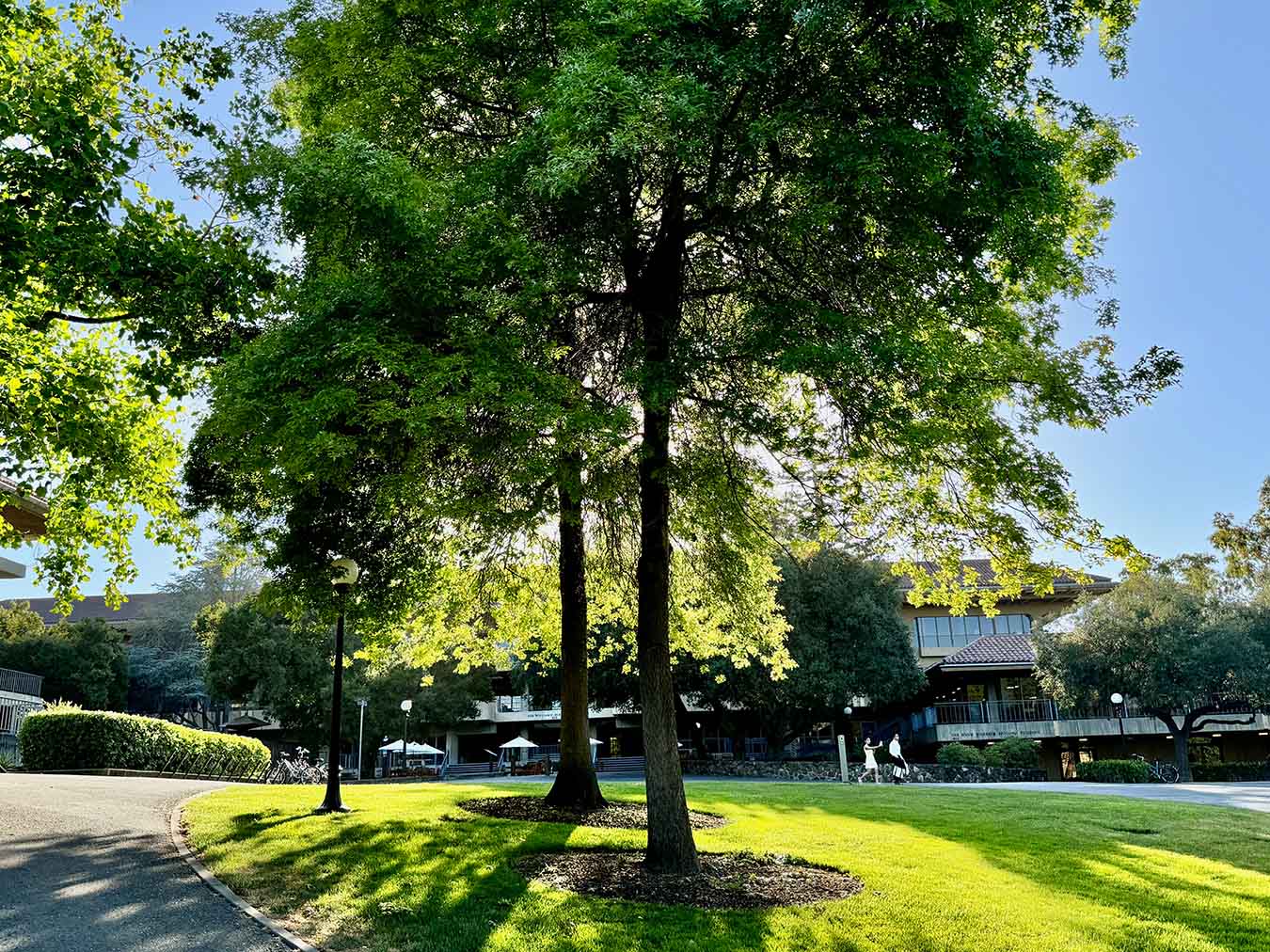
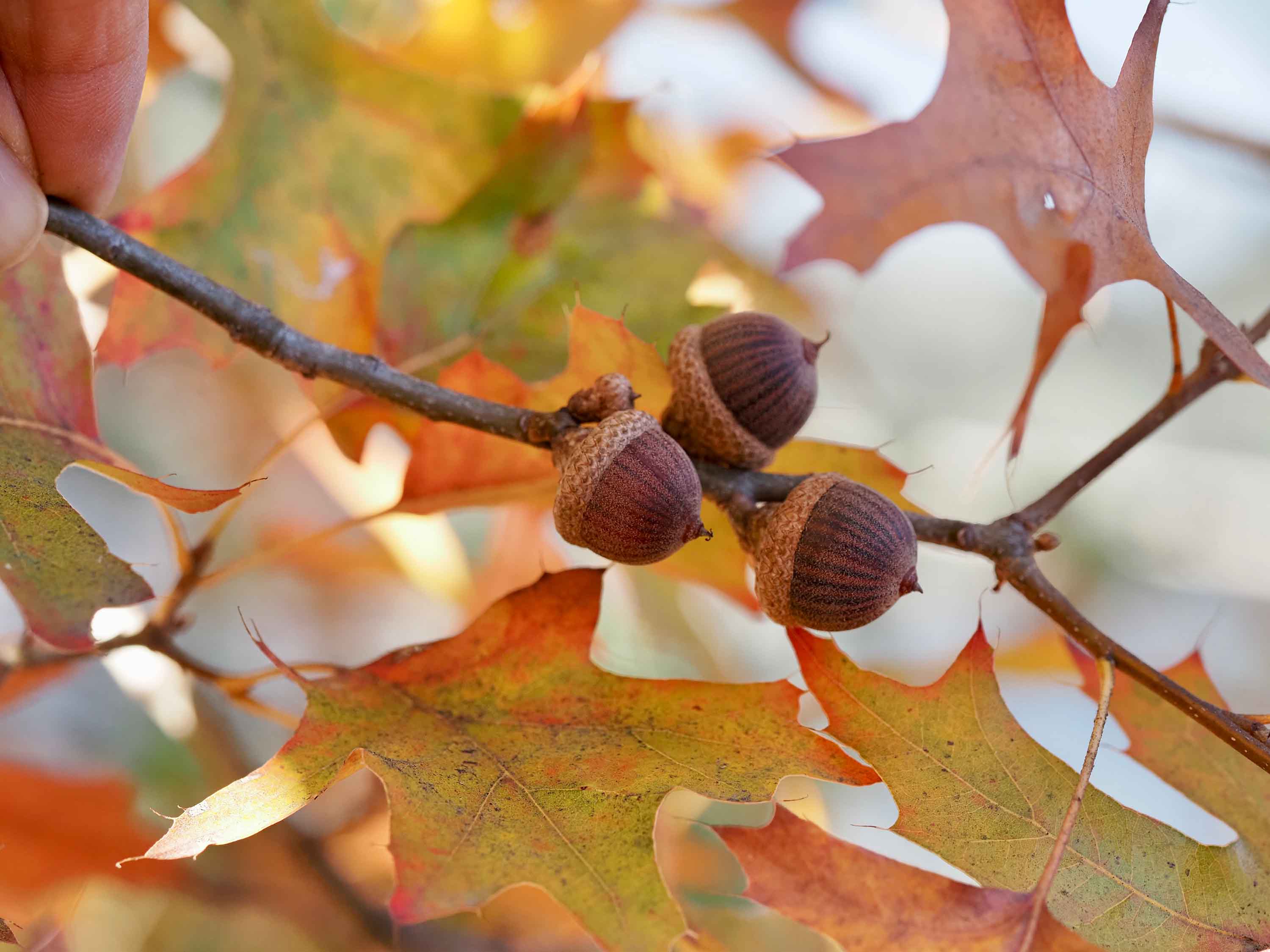
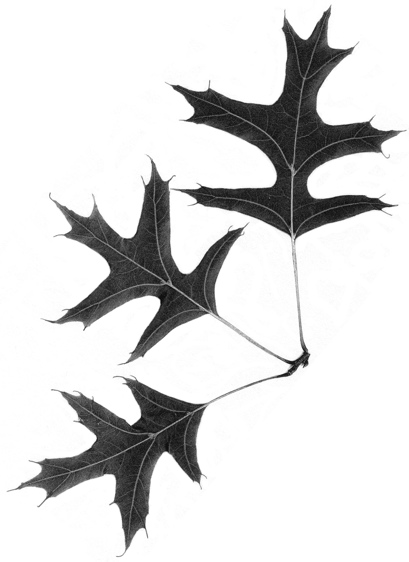
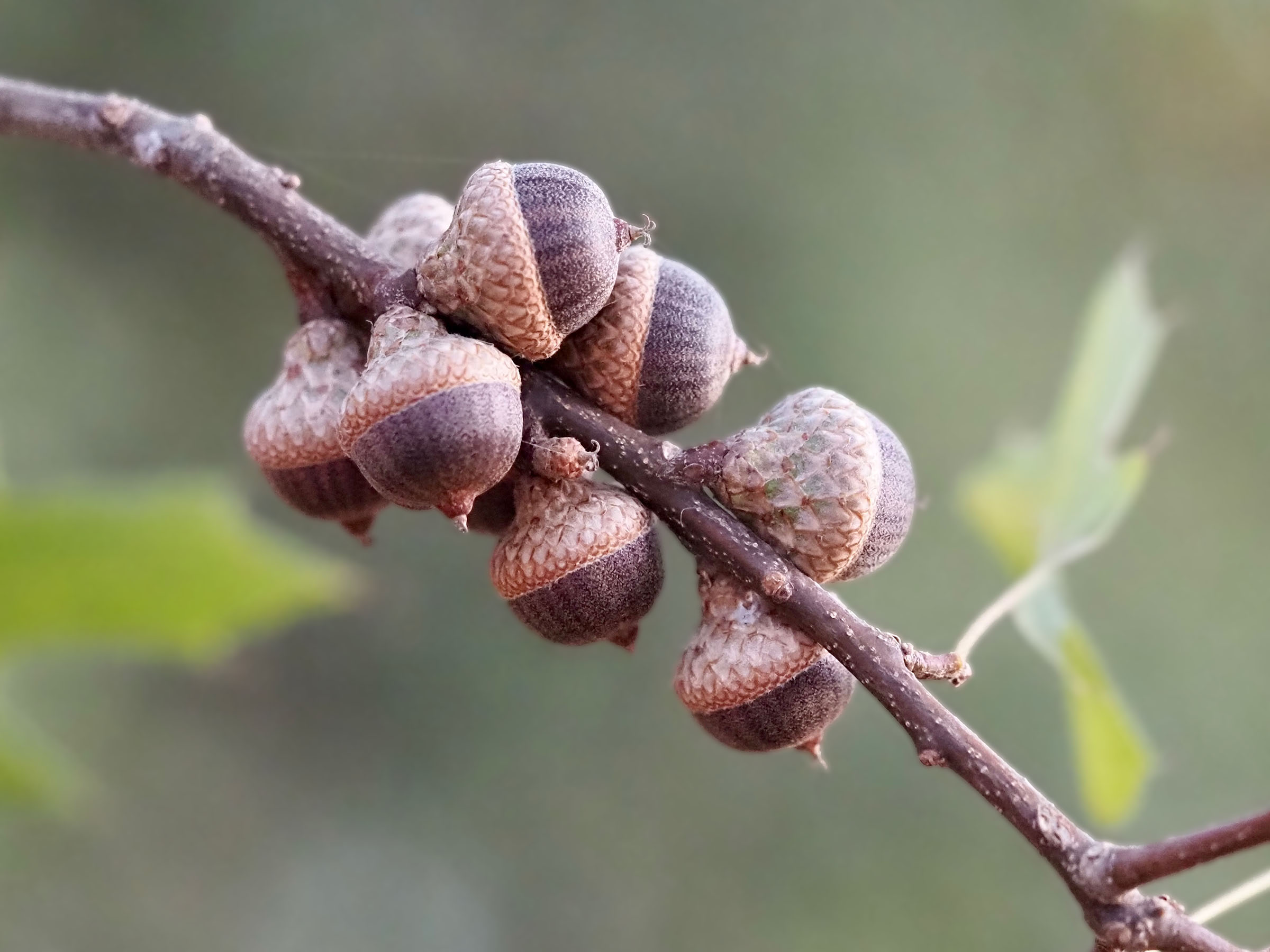
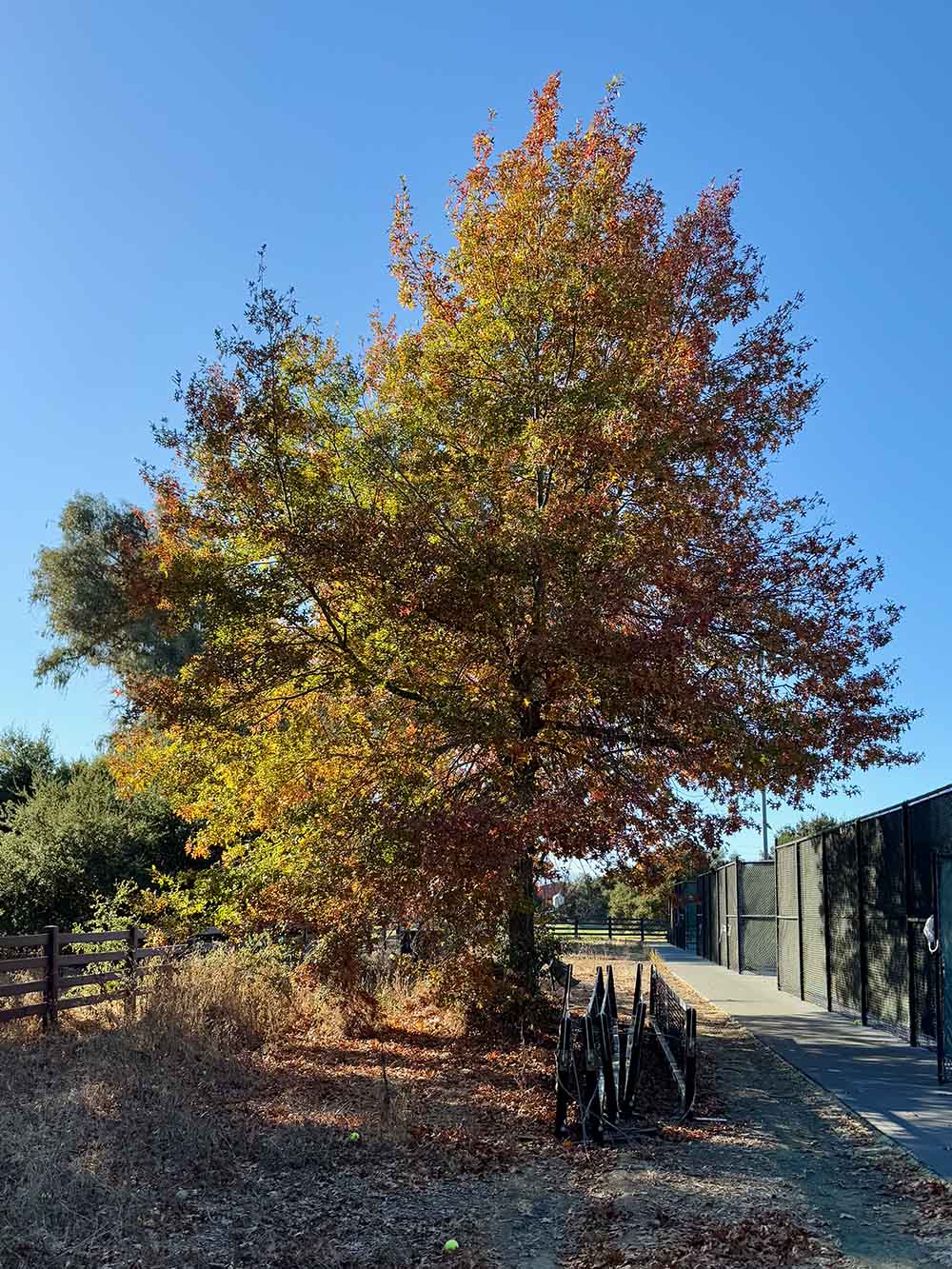
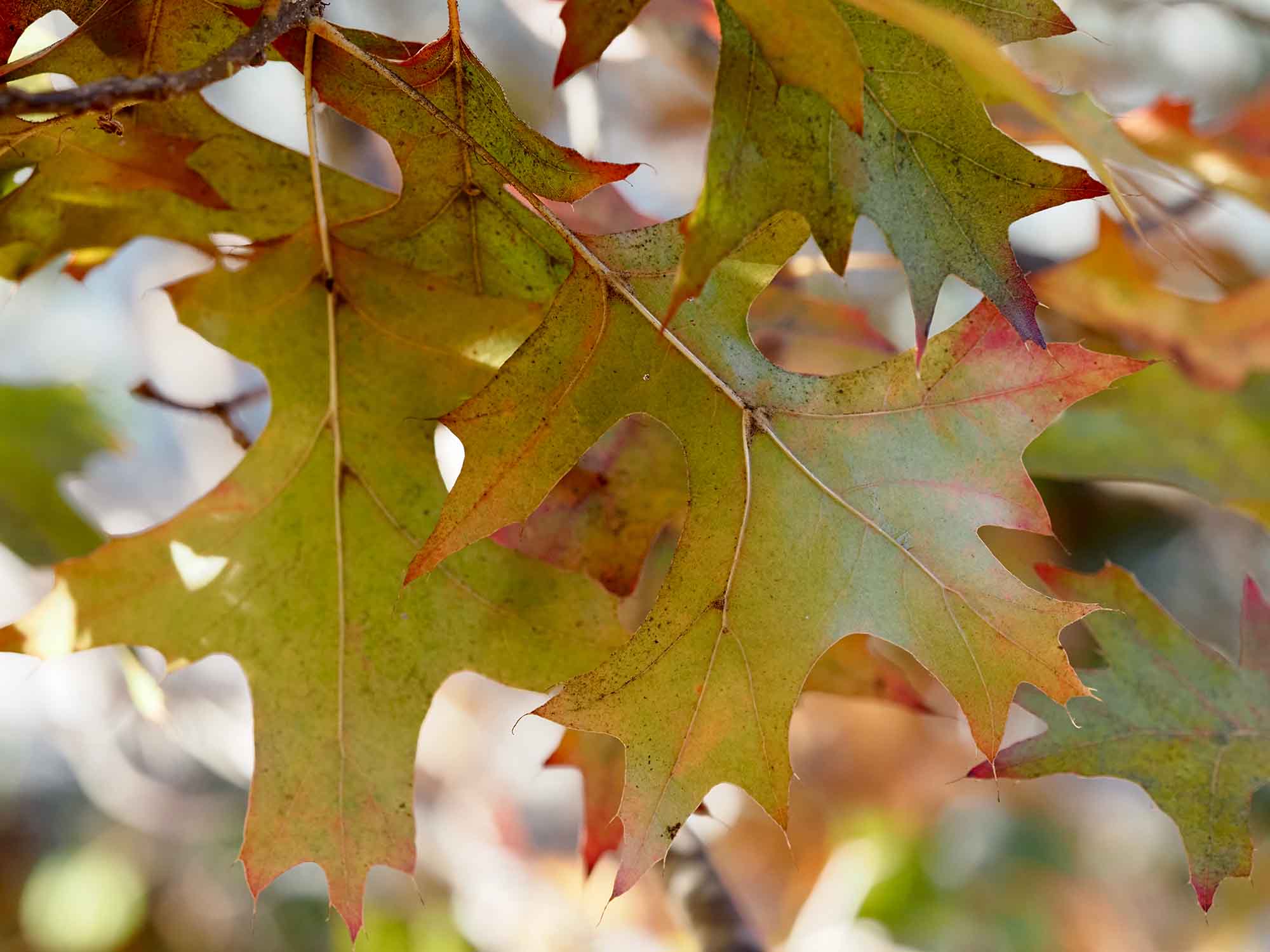
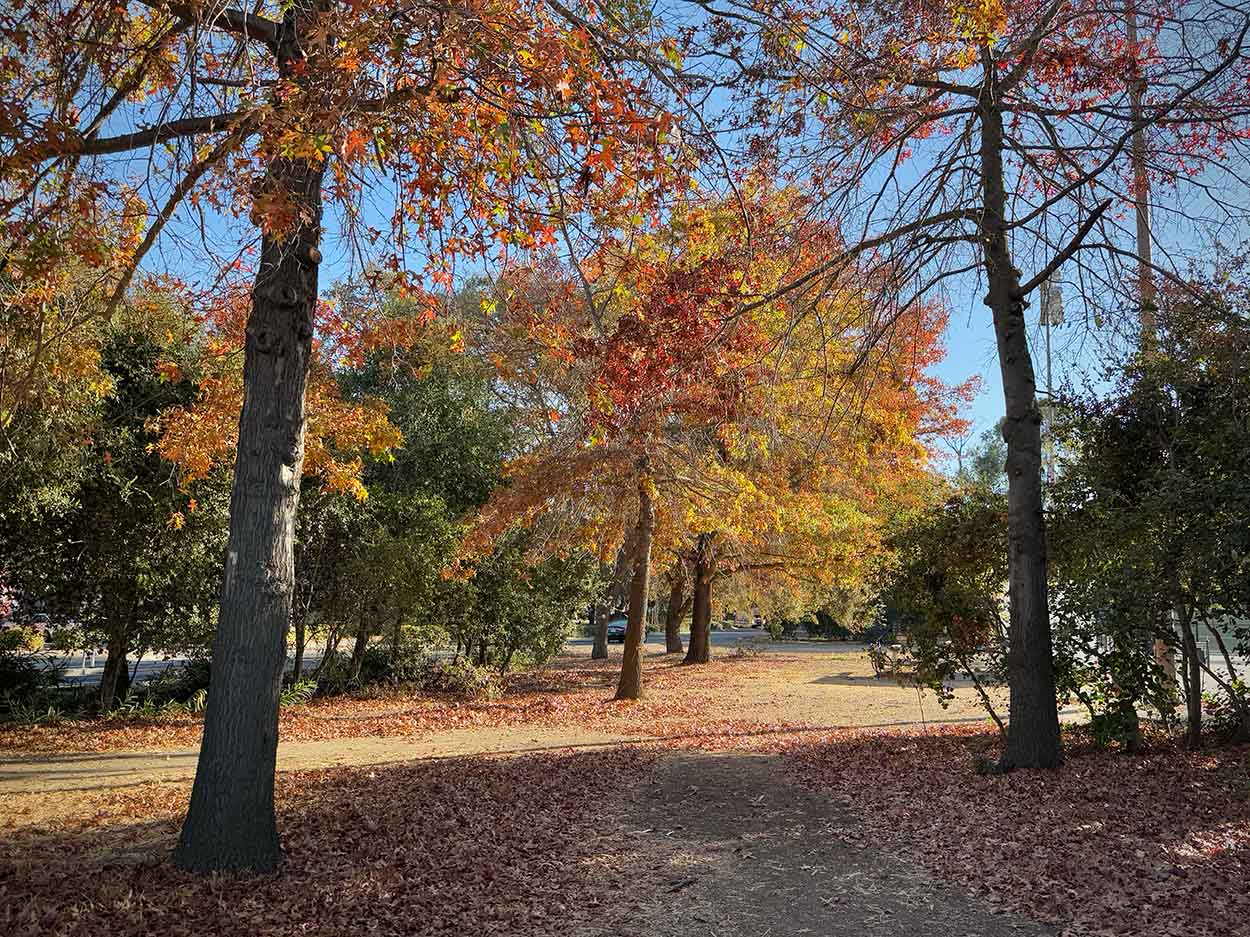
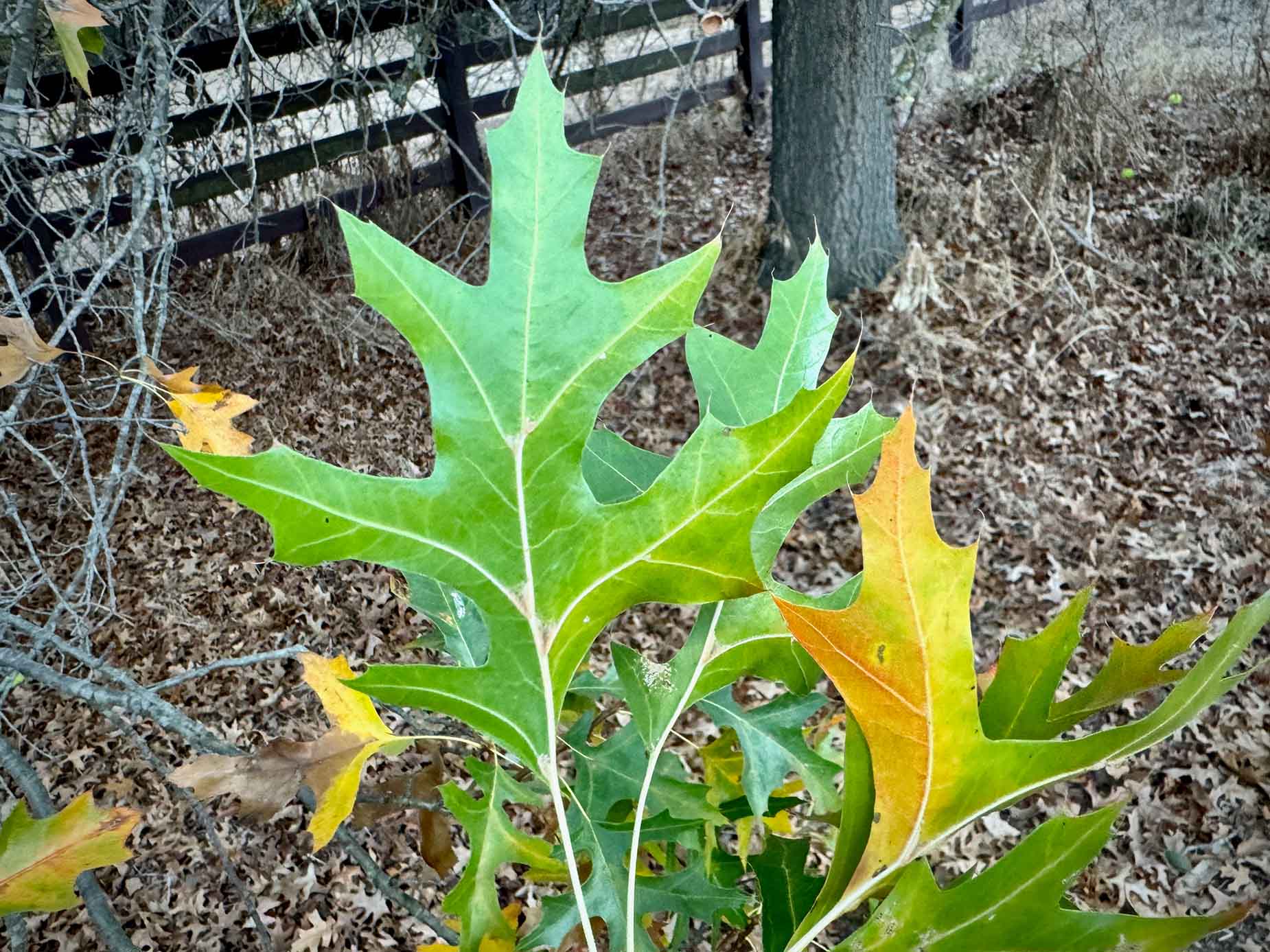
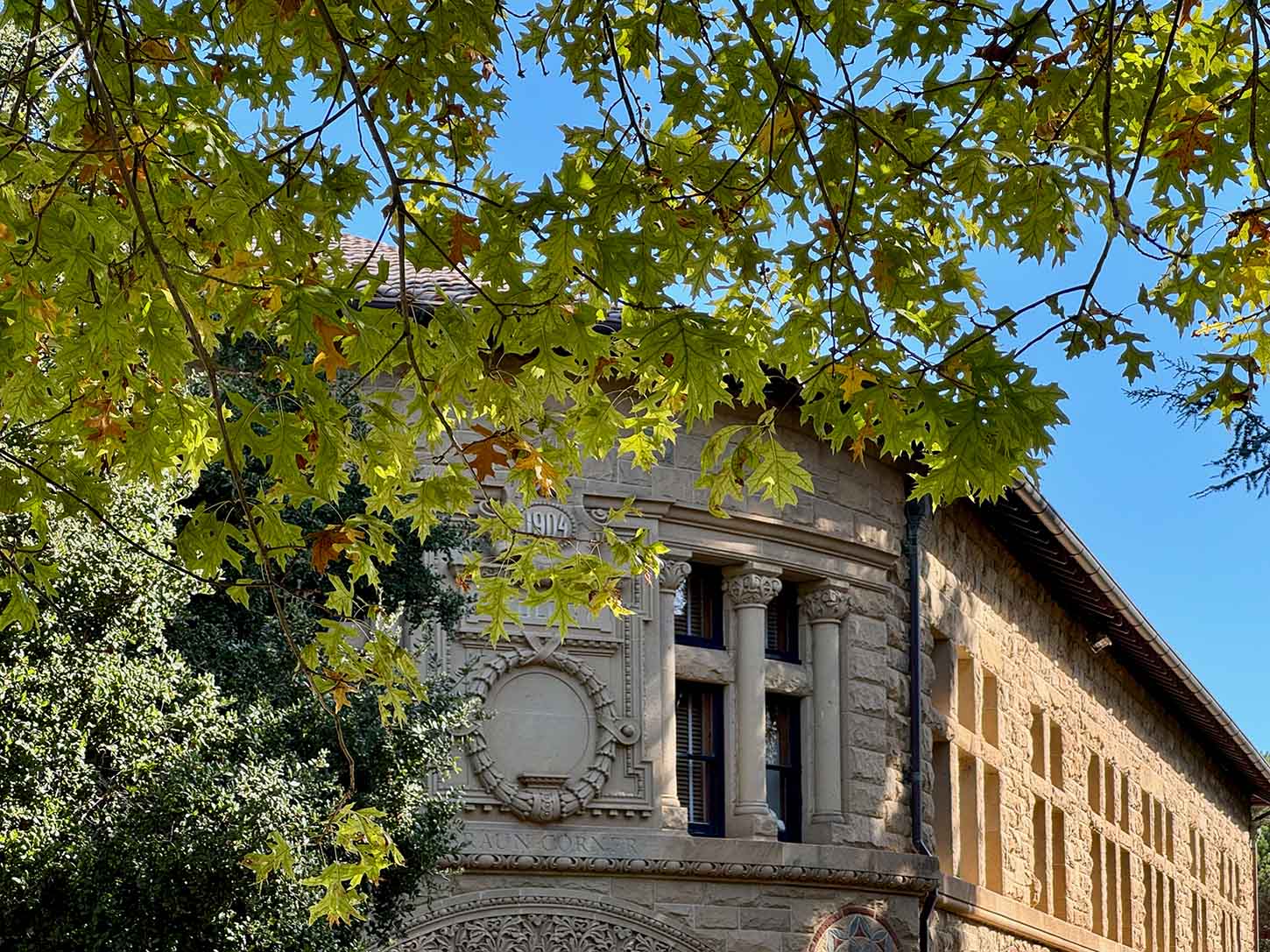
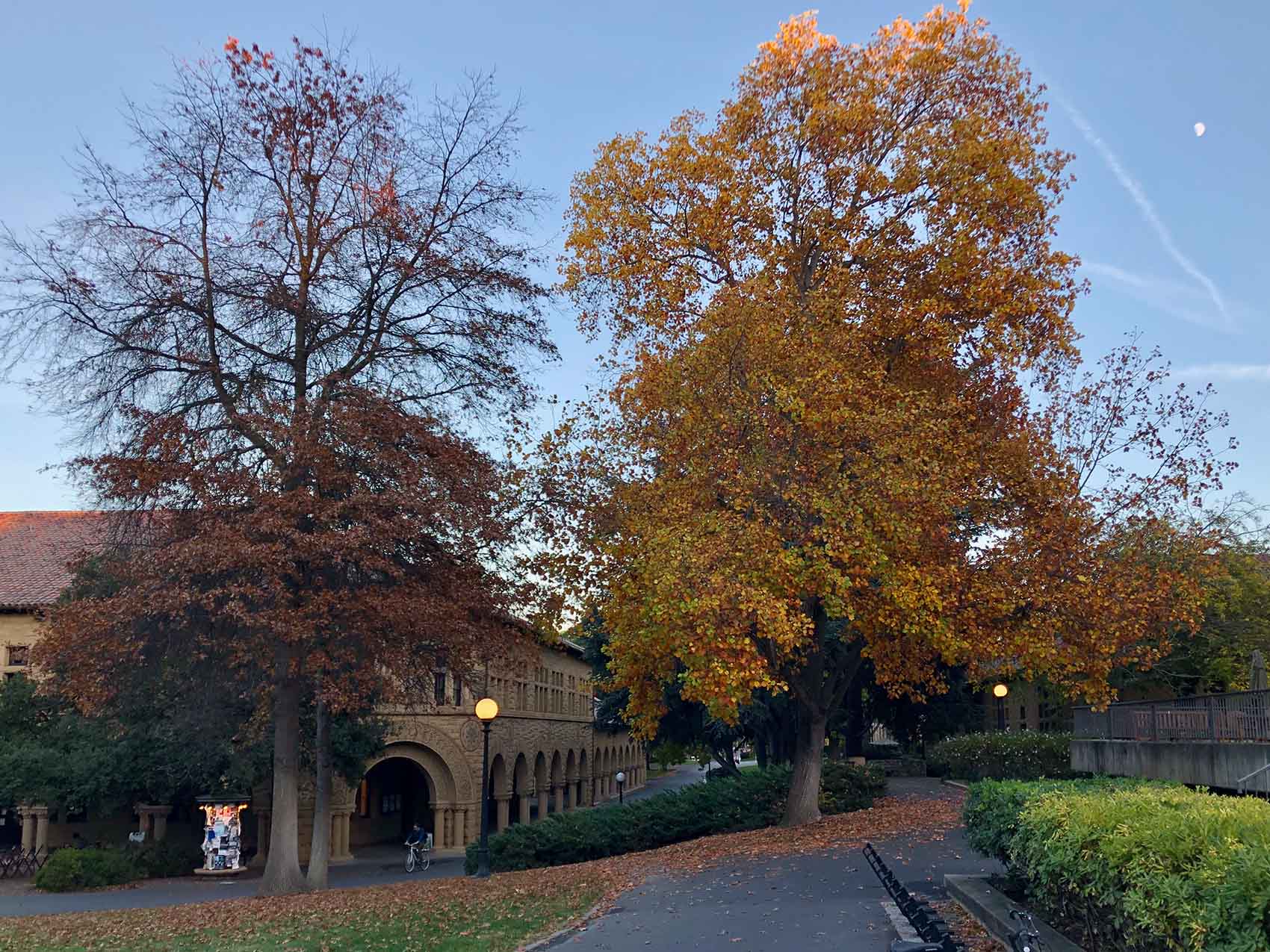
Said to have the most recognizable branching pattern among oaks when mature: upper limbs ascending, middle ones spreading, and lower boughs descending, pin oak is also notable for the slender, pin-like quality of leaf lobes, twigs, branches, and even trunk. All this branching results in timber riddled by knots; firewood and pulpwood figure high among its uses. Most noticed however is its bright red fall color, when good – and its tendency to cling to dead leaves until new spring growth forces them off. The acorns, squat and sometimes striped, are only about ½ inch long, rising from a shallow cup. The 3–6 inch leaves have bristle-tipped lobes and deep sinuses that sometimes cut nearly to the midrib. On the underside, conspicuous tufts of fuzz where the lateral veins join the midrib provide a ready diagnostic, setting it apart from scarlet oak (which see for detailed points of comparison). It is also known as swamp oak (palustris means of swamps or marshes).
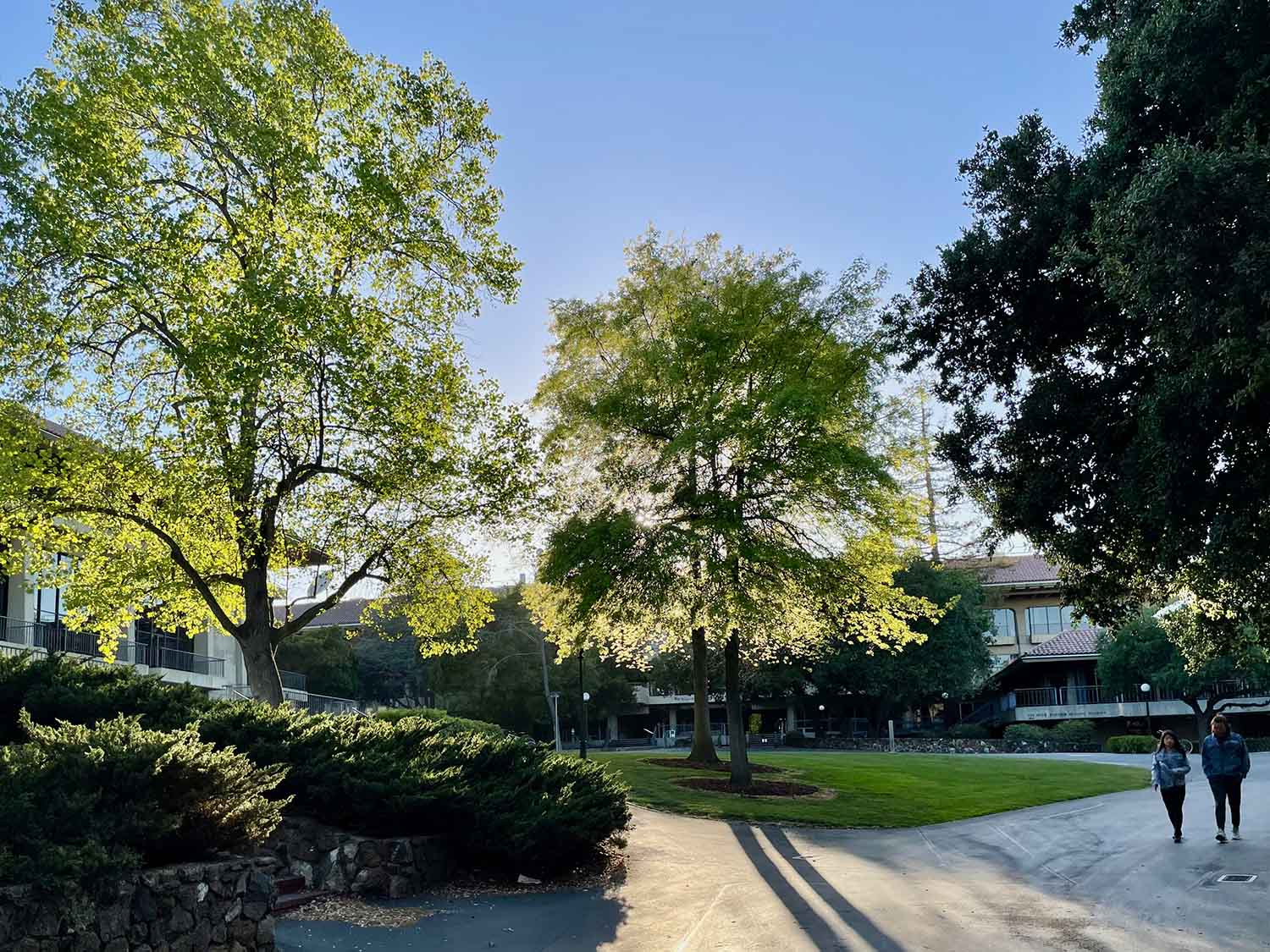
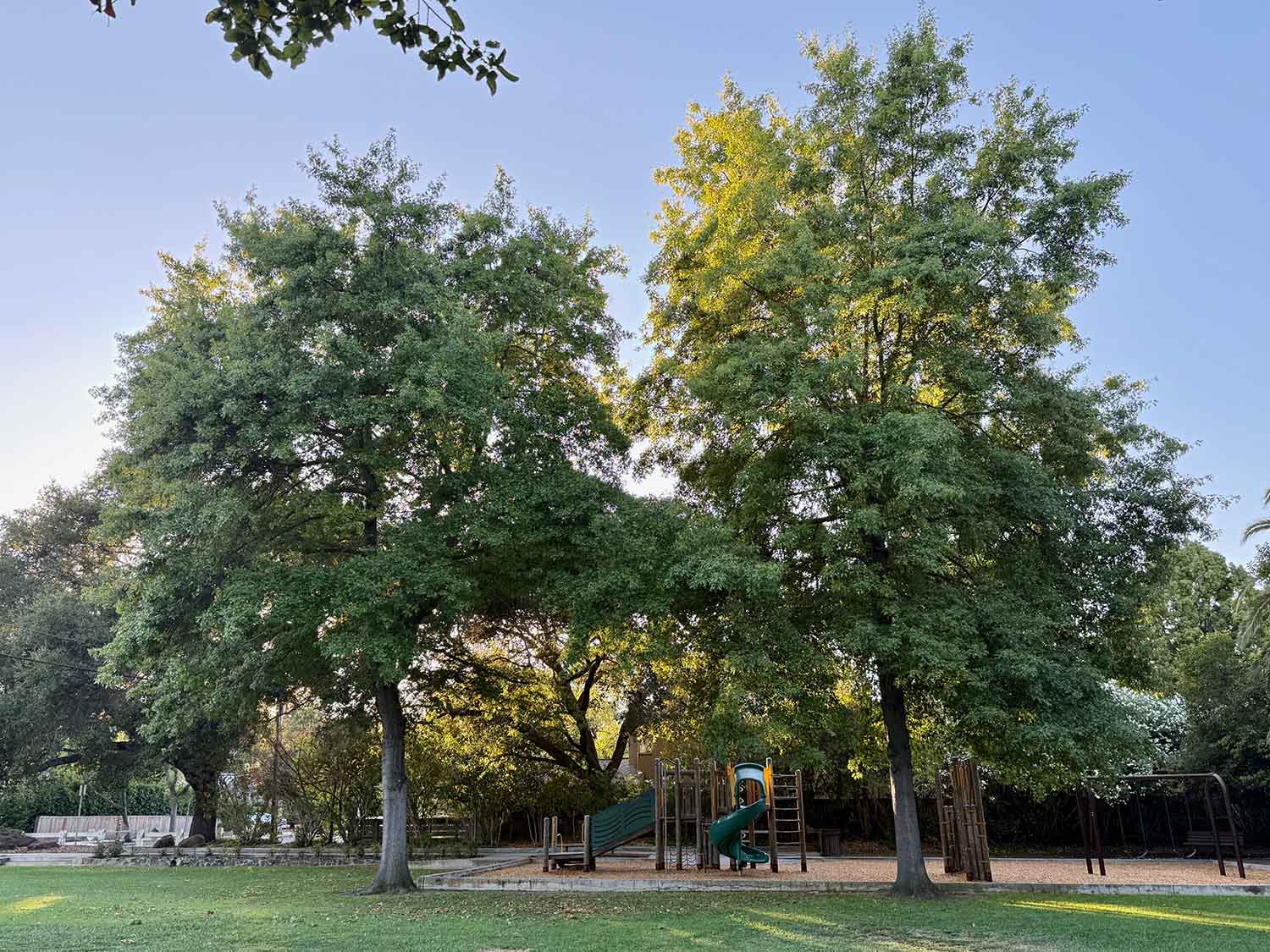
Two grow in lawn on Lomita Mall near the southwest corner of Main Quad. Another stands on the left side of Branner Hall’s front lawn; compare it with the pair opposite, likely scarlet oaks or hybrids. Three trees southwest of Crothers Hall on Galvez Mall were removed in 2011. Several handsome examples are spread around the northeast corner and on the south of the West Campus Tennis Courts.
Gallery
- Main References for New Tree Entries.
- Dirr, Michael A., and Keith S. Warren. 2019. The Tree Book: Superior Selections for Landscapes, Streetscapes, and Gardens. Portland, OR: Timber Press. (Re. branching pattern.)
About this Entry: Authored Aug 2025 by Sairus Patel.

